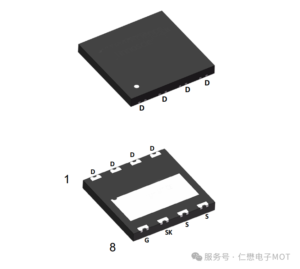
As the world pursues carbon neutrality and electric vehicles, photovoltaic power stations, and energy-storage systems become central to the energy transition, a device no larger than a grain of rice is quietly controlling the flow and efficiency of energy: the power semiconductor. MOT has spent 14 years developing power-semiconductor technology and now produces more than 100 million of these compact ‘energy switches’ each year. Its millimeter-scale products are helping reshape the future of energy.

The global energy landscape is changing rapidly. Energy shortages and environmental pressures have made carbon neutrality a shared objective, increasing the need to improve energy efficiency and expand clean-energy generation. Power semiconductors are core components for energy conversion and control and therefore have a critical role. Industry technical literature likewise points to rising electricity consumption and net-zero goals as important drivers for more efficient power devices. MOT recognized this trend early and has continued to strengthen its position in power semiconductors.

The power-device industry offers major opportunities but also demanding technical challenges. Rapid growth in electric vehicles, photovoltaics, and energy storage is increasing demand for power semiconductors. At the same time, faster technology cycles and rising performance requirements are intensifying competition. MOT differentiates itself through its technical and manufacturing capabilities.

MOT has developed its own approach to research and high-volume manufacturing. Producing more than 100 million rice-grain-sized power semiconductors annually while maintaining consistent performance requires tight control at every stage. MOT applies advanced processes from raw-material selection and chip design through packaging and testing. Its research team continues to solve technical problems and improve important specifications such as on-resistance, switching speed, and breakdown voltage. The company’s latest generation of power devices also offers significantly improved stability at high temperatures, supporting more demanding operating environments.
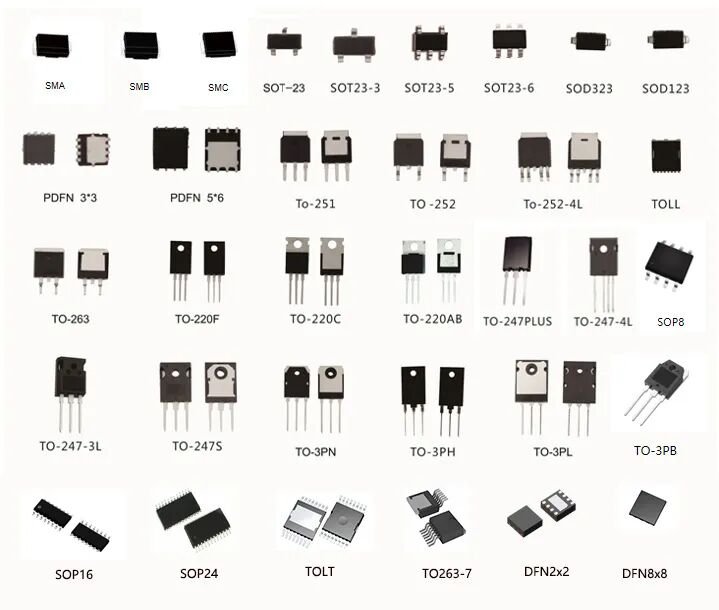
MOT’s power-semiconductor portfolio is broad. Despite their compact size, the devices are designed for high efficiency, energy savings, reliability, and space-constrained applications. In electric vehicles, they can be used in onboard chargers and motor controllers to improve driving range and energy efficiency. In photovoltaic inverters, they help convert more solar energy into electricity. In energy-storage systems, they provide precise control over charging and discharging to support stable operation.

Looking ahead, MOT plans to keep increasing research investment, focus on emerging power-semiconductor technologies, improve product performance, and develop new devices aligned with market requirements. The company also plans to expand its market share in electric vehicles, photovoltaics, energy storage, and related sectors.

MOT demonstrates how a rice-grain-sized power semiconductor can deliver substantial energy-control capability. Annual output above 100 million units reflects both its technical strength and its manufacturing capacity. Through millimeter-scale devices, MOT will continue contributing to the global energy transition.