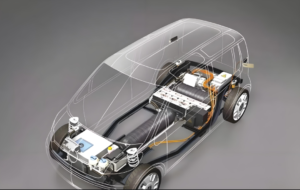
Today, when applications such as drone logistics distribution and agricultural plant protection are growing, a set of data is alarming: 35 per cent of the blasts were caused by the failure of battery management systems (BMS). For the drone industry, two core challenges persist: the operational life and average non-facility time (MTBF), which is directly related to operational safety and costs, and the large current demand and heat-dispersion challenges under the compact structure of drones. MOT has brought down the drone industry with innovative BMS solutions.

The U. N. A. 's "power anxiety"
When the logistics drone is over 10 kg, the power system faces double hanging:
Bomber Curse: Traditional MOS burned under 200A sharp electric currents with over 25% recovery rate (2023 industry report)
Space shackles: 30 mm thickness BMS chamber temperature rise > 80°C, forced to sacrifice battery capacity
MOT Toll Seal BMS program to recreate the drone power code with three breakthroughs: zero burner, high density, long life!
Scene-type operational guidelines.
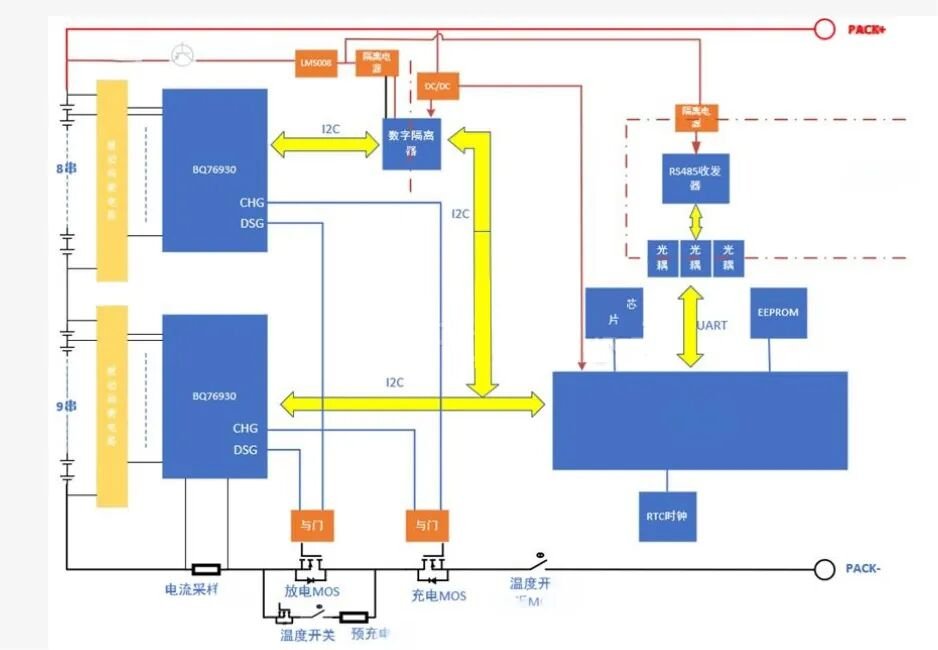
The life of the drone and the average non-facility time (MTBF) are essential, the smaller structural space requires larger currents, the Toll cover is thin and the heat is high. Jensun uses the following product types: 10 BMS systems: MOT6111T, MOT6586T, MOT6113HT, MOT6586T, 13 BMS systems: MOT8576T, MOT8113T, MOT8112T. As the drone industry evolves to "multiple load and double flight", Jen, BMS is rewriting the power rules of the low-altitude economy with the hard-verification power of "safe return for every landing. "
Toll cover the heat revolution
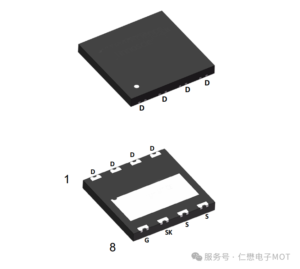
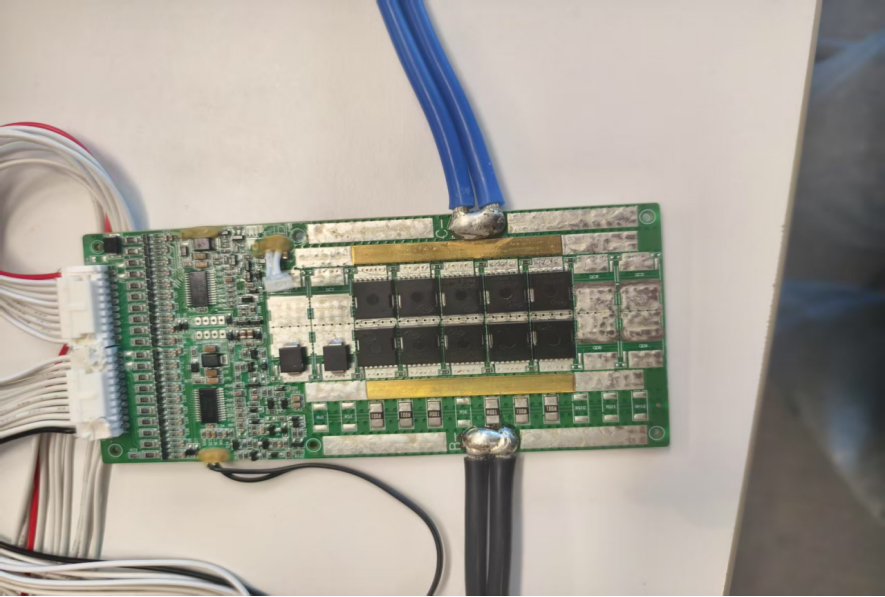
MOT BMS uses advanced TOLL containment techniques to solve the problem of spreading heat in traditional programs. The central advantage of the TOLL containment is its subversive heat-dispersion routing: re-constructing the traditional "chip-chip-PCB" bottom-spread mode into "chip-top-spreader " straight-to-reach path, which increases heat-transmitting efficiency. This dispersive advantage is underpinned by a number of innovative technologies: copper Clip matrix interconnectivity replaces traditional gold-lined bonding, not only reducing the conductive resistance (RDS(on)) by 15 per cent, but also withstands the pulse current of 652A, well above the industry 250A baseline; the 3D barrier structure reduces the parasitic sensorage to below 3nH, reduces the combined switch loss index by 35 per cent, and exceeds 98 per cent efficiency. These technological innovations have made it possible to maintain excellent dissipation capabilities in compact space and have created a hardware base for the long-term stabilization of drones.
Future outlook: promoting the upgrading of the drone industry
With the rapid growth of the drone market, it is expected that by 20, 26 the UAV BMS market will have increased significantly. With its innovative BMS solutions, MOT is becoming an important force driving this market. The reliability design of the Indo product not only addressed the immediate pains of the drone industry, but also laid the foundation for the future development of drones in the direction of larger loads and longer voyages.

If you want to know more about the application of MOT BMS on drones, or if you want to get solutions tailored to your specific needs, you are welcome to contact the MOT Electronic Sales Team.