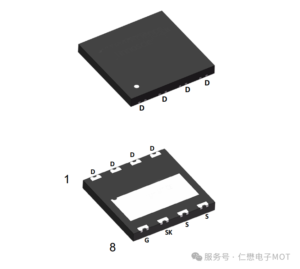
As technology progresses, a growing number of electronic-product batteries are mostly lithium batteries, lithium batteries have long lifespans, high energy density, low body weight and small sizes, the main components of lithium batteries are core + BMS panels, lithium batteries have characteristics that cannot be overcharged, short circuits, etc.
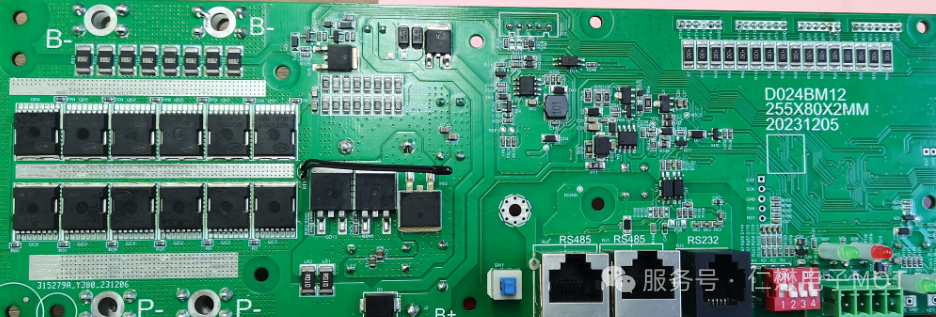
A typical lithium cell core unit has a rated voltage of 3. 6 V (three dollars) iron lithium 3. 2 V (thyridium), a maximum charge end voltage of 4. 2 V (three dollars) 3. 6-3. 8 V (thyridium) and a minimum discharge end voltage of 2. 5 V. High discharge (< 2. 5V) causes irreversible damage, such as loss of capacity and increased self discharge. Perfluorovoltaic voltage (>4. 2V) (>3. 8V lithium iron) causes spontaneous combustion and poses safety risks. The safety and useful life of batteries are further enhanced through real-time monitoring of core voltage, temperature and battery discharge currents by BMS, which is a battery management system.

The main reasons why lithium batteries need protection panels include the following:
Overcharge protection: The panels monitor battery charging and automatically cut the charge circuits when the battery is full to prevent the battery from being damaged by overcharged.
Overlay protection: During battery discharge, the panels monitor the battery's voltage and automatically cut off the discharge circuits when the voltage is below the assigned value to prevent the battery from being damaged by excessive discharge.
Overflow protection: The panels monitor the battery ' s currents and automatically cut the currents when the currents exceed the assigned values to prevent the battery from being damaged by excessive currents.
Short circuit protection: The protection panels monitor short circuits of batteries and automatically cut circuits when short circuits are detected to prevent battery damage due to short circuits.
Temperature protection: The protection plate is capable of monitoring the temperature of the battery and automatically cutting circuits when the temperature is too high or too low to prevent battery damage due to abnormal temperature.
Balance function: The protection plate balances the voltage of each battery in the battery to ensure its overall performance.
BMS protection panel box figure
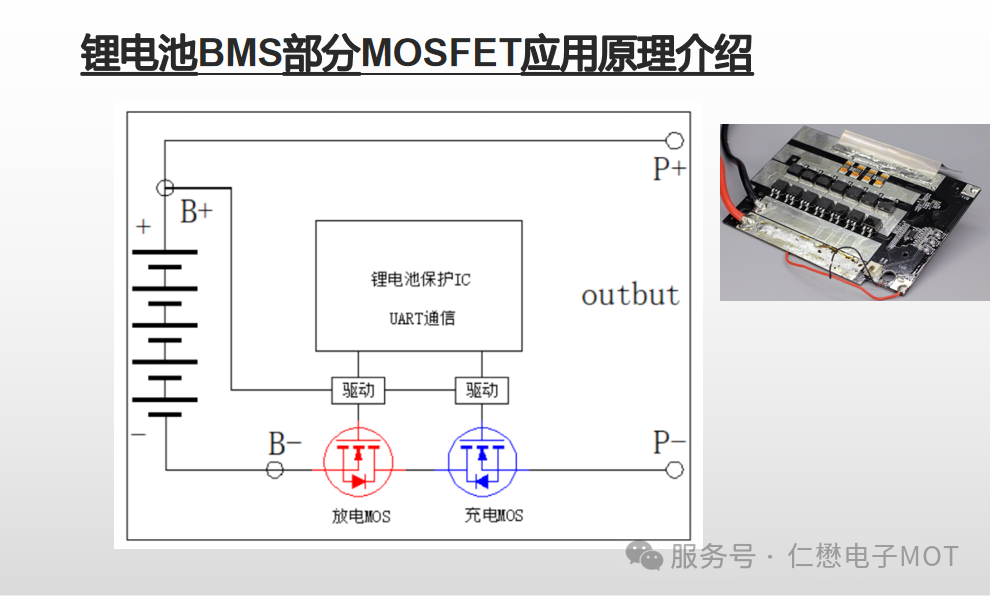
MOT, BMS protection panel MOSFETs Select type of recommended reference (encapsulated, barrier-free, client-driven)
| Battery systems | Power range | Annotations | Device properties and recommendations |
| 12V batteries | 200-500 W | Three sets of three. Four sets of lithium. | 30V-40VNMOS MOT4383T MOT4550T |
| 24V batteries | 500-1, 000 W | Six sets of three. Seven sets of lithium. | 40V-60VNMOS Mot6111T Mot6556T |
| 36V batteries | 1000-1200W | Ten sets of three. Twelve sets of lithium. | 60V-75VNMOS MOT6111T MOT6556T |
| 48V batteries | 1200-2000W | 13 sets of $3. 15 sets of lithium. | 80V-85VNMOS MoT8576T MoT8112T |
| 60V batteries | 2000-2500W | Sixteen sets of three. Eighteen sets of lithium. | 90V-100VNMOS MOT1120T MOT1115T |
| 72V batteries | 2, 500-3000 W | Twenty-three. Twenty-three. | 110-120 VNMOS MOT1121T MOT5130T |
Lithium batteries have an important role to play in ensuring their safe use and in extending their useful life. With the rapid development of new energy markets and the continuous innovation of related technologies, the prospects for the application of lithium panels are wide. Learn more, focus on the public and contact sales.