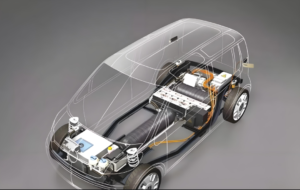
It's a robot. BMS's high-pressure exam.
When human robots run over 20 kg, power cells face extreme challenges:
– An instant current shock: a pulsed current in the event of an emergency of a joint power plant >200A, with a surge in the risk of a conventional MOS overheating;
– Space shackles: BMS modules need to be plugged into a joint cavity with a dispersive area < 5 cm2;
-Secret red line: 60V high pressure battery leak >1mA triggers a safety stop.

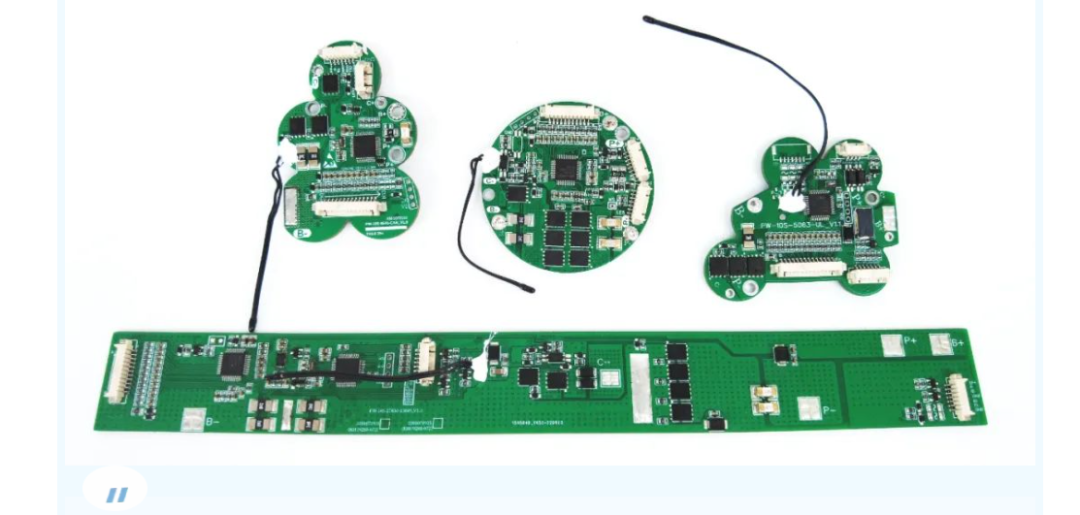
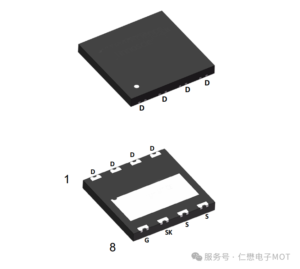
The MOS matrix (MOT1124T/MOT1120T/MOT1113T) is designed for the remodelling of robotic power safety standards with "super low resistance, high stress, very cold heat".
Technological breakdown: Three repeat forces.
1. Lead in guiding losses and wear and tear
MOT1113T: R<sub>DS(on) </sub> is as low as 1. 3 m @10V (industry average > 2 m), 100A sustained discharge losses reduced by 35% and re-opening extended by 18%; 300 Hz PWM joint server controls supported, response speed < 1 m.
Avalanche energy "bullet-proof" protection
MOT1120T: single pulse EAS > 800mJ; capable of carrying three times the rated current shock (actually measured 250A@2ms); Q<sub>rr</sub> <15nC to eliminate the risk of direct passage through the arm of the bridge.
3D dissipation structures
TOLL seals double-sided dissipation heat: Thermal resistance (R<sub>thJC</sub>) is only 0. 4°C/W; 80A <95°C (competition > 130°C); passes 100, 000 mechanical vibration tests (ISO16, 750-3).

Selection Law
1. Select the resistance of the working peak voltage;
2. Select a specific model based on internal resistance, Qg and capacitation.
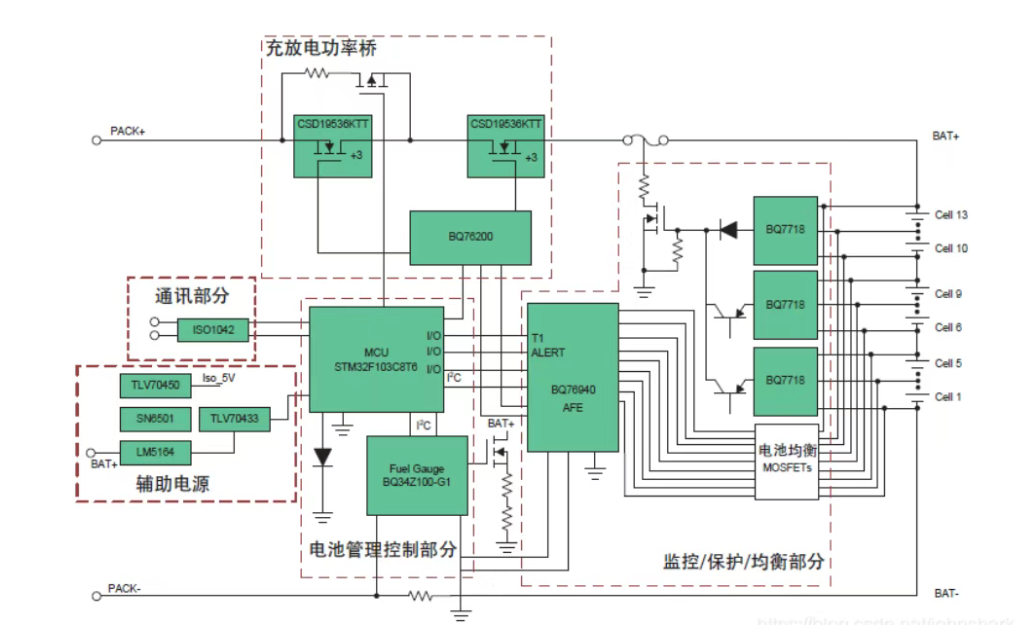
MOT Programme Matrix
It's a robotic type.
Pyrotechnic arm 48V | MOT1124T|75V + double-sided heat-spray
| 60V | MOT1120T|200A pulse + 0. 8 m R<sub>DS(on)</sub>
24V |MOT1113T|1. 3m + super tight seal
As the robot industry evolves to "higher loads, more agile response", the firm verification power of Mosfet, to "let power never fall", is rewriting the secure boundaries controlled by motion.