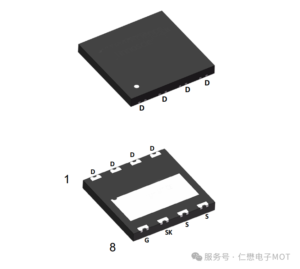
China’s integrated-circuit industry has grown rapidly in recent years, with continued gains in both market scale and technical capability. As artificial intelligence, smart manufacturing, automotive electronics, the Internet of Things, and 5G expand, integrated circuits have become central to the country’s information-technology development. The pandemic that began in 2020 intensified global semiconductor shortages, making domestic supply-chain development increasingly important. Chinese semiconductor manufacturers continued to emerge during this period, including Guangdong Renmao Electronics Co., Ltd. (MOT).
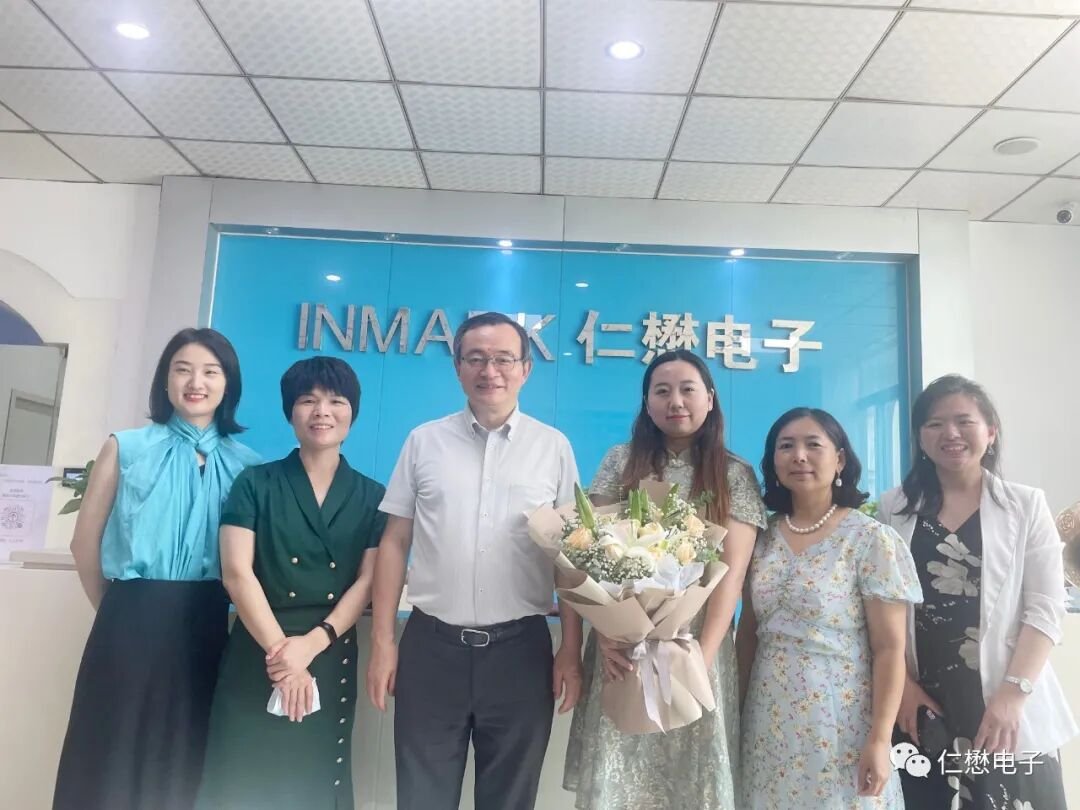
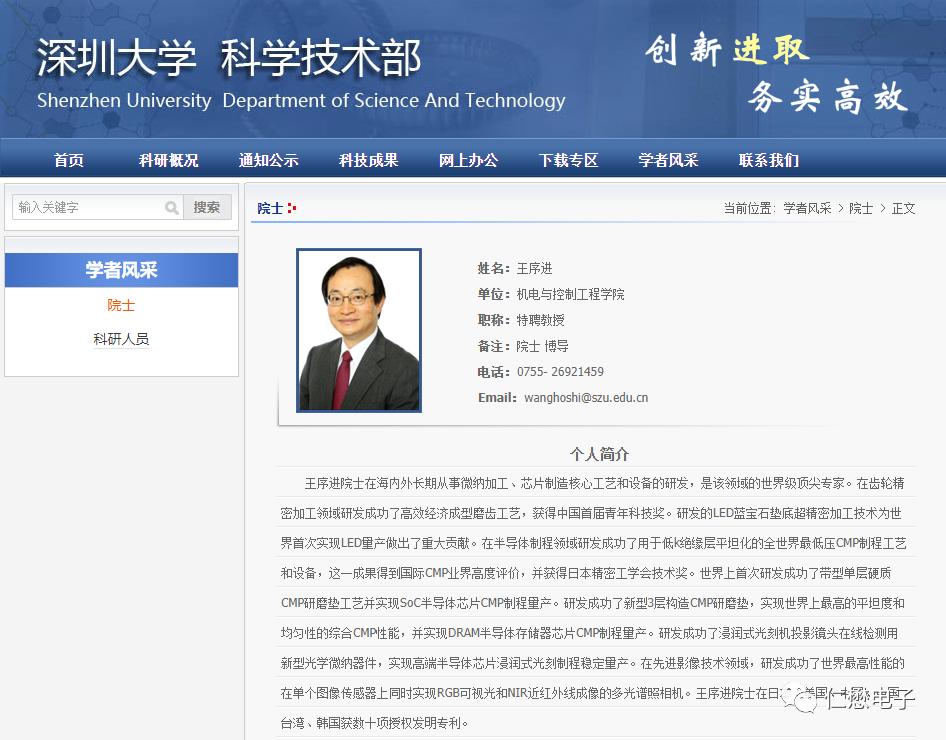
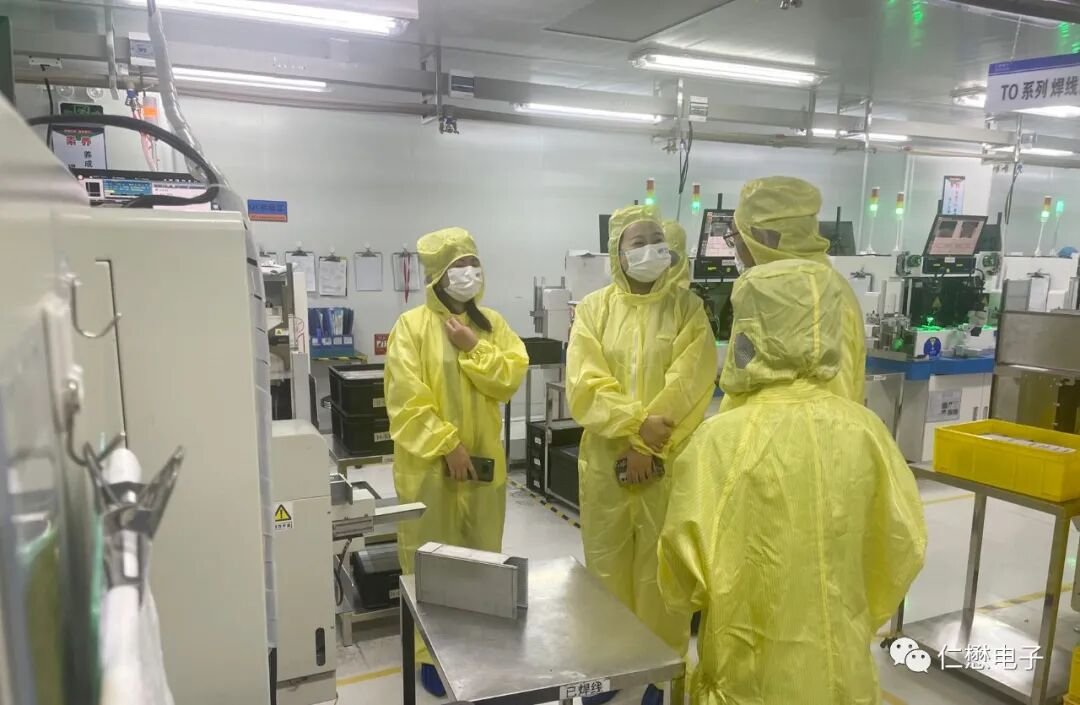
At 10:00 a.m. on June 17, 2022, Academician Xu-Jin Wang, director of Shenzhen University’s Institute of Microelectronics and Institute of Semiconductor Manufacturing and a distinguished professor in the College of Mechatronics and Control Engineering, visited MOT for an inspection and technical exchange. General Manager Dou Jing, Deputy General Manager Liu Xianying, and other company representatives accompanied the delegation through the production workshops and laboratories before joining the discussions.
The two sides discussed semiconductor-industry trends, opportunities for innovation, emerging markets, major technical challenges in domestic chip production, and ways to accelerate coordination across the upstream and downstream supply chain. MOT also presented its product characteristics, process flows, technology development, and market outlook. Academician Wang praised the company’s achievements and spoke highly of its research, innovation, and commercialization capabilities.
Academician Wang noted that chips can broadly be divided into consumer, industrial, and automotive grades. China has largely achieved domestic substitution for consumer-grade chips, while substantial opportunities remain in chip and sensor manufacturing. He said Guangdong has strong potential to develop a major integrated-circuit industry cluster, but semiconductor manufacturing, assembly, and test talent remains urgently needed. He also described advanced packaging as one of the key technologies extending progress beyond Moore’s Law.
MOT General Manager Dou Jing said these observations aligned closely with the company’s development philosophy. Drawing on nearly two decades of experience in semiconductor design, manufacturing, assembly, and testing, she noted that China’s semiconductor sector is now in a period of rapid growth, centered mainly in the Pearl River Delta and Yangtze River Delta. The national carbon-neutrality strategy and continued growth in photovoltaic energy are also creating new opportunities in central and western China. Beyond the domestic market, MOT sees broad potential in developing economies and Europe and is accelerating its global expansion.
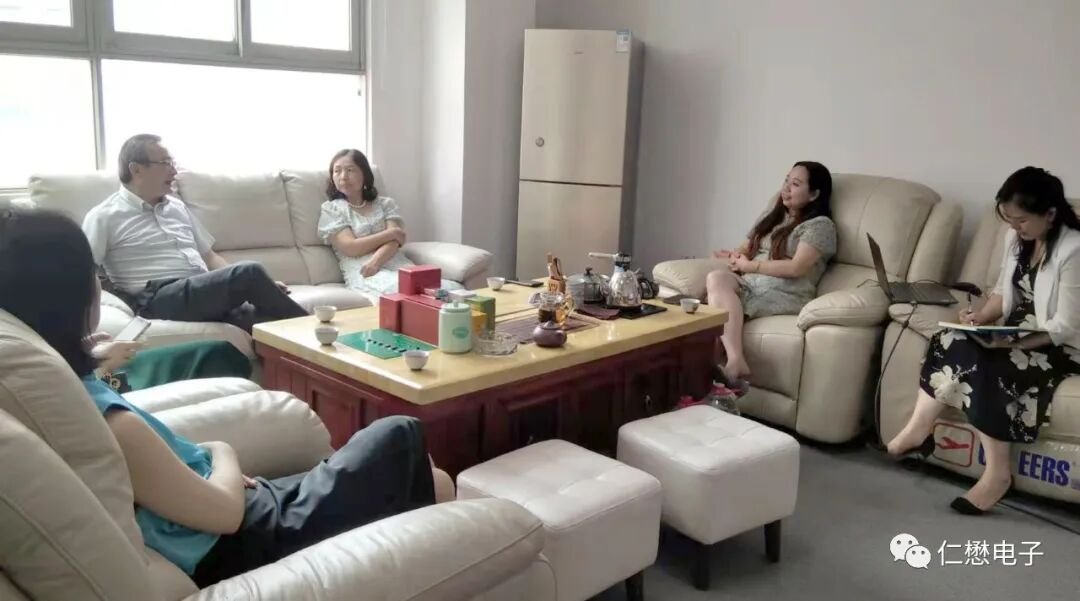
Academician Wang endorsed MOT’s development approach and asked detailed questions about its future plans. Ms. Liu Xianying then presented the company’s strategy under the theme, ‘Driving the Future with Chips.’
MOT was founded in 2011 and established operations in Shenzhen in 2016. A key enterprise in Bao’an District, it is a high-technology company integrating semiconductor chip design, research, production, and sales. MOT supplies semiconductor components to electronic manufacturers worldwide and has filed or received nearly 100 patents, forming the foundation of a multilayered intellectual-property portfolio around its independent MOT brand. The company has passed ISO 9001:2015 quality-management certification, was recognized as a specialized and innovative enterprise in Guangdong in 2020, became a candidate for China’s national ‘Little Giant’ program, and has participated in the development of national semiconductor standards.
Building on its industrial foundation and its capabilities in semiconductor assembly and testing, MOT made an early move into gallium nitride, a third-generation semiconductor material supporting 5G applications. The company also continues to invest in independent research and manufacturing to overcome supply-chain constraints and support the domestic development of silicon-carbide automotive chips.
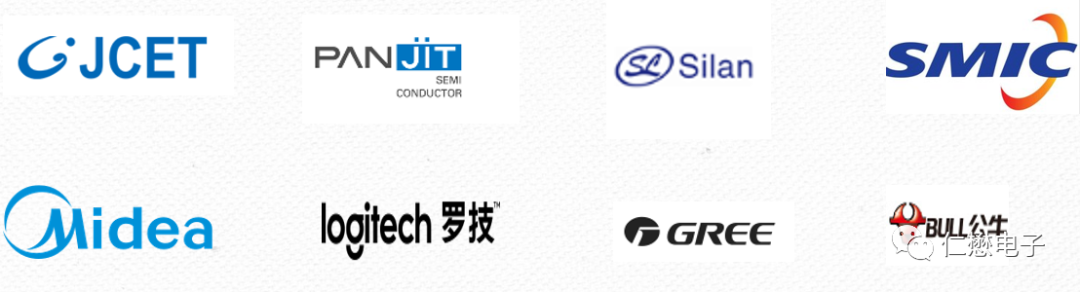
Since its establishment, MOT has built a reputation for professional service and consistent quality. It has become a strategic partner of leading industry companies such as JCET and Silan Microelectronics and maintains long-term relationships with major customers including Midea, Logitech, Bull, BYD, and Foxconn.
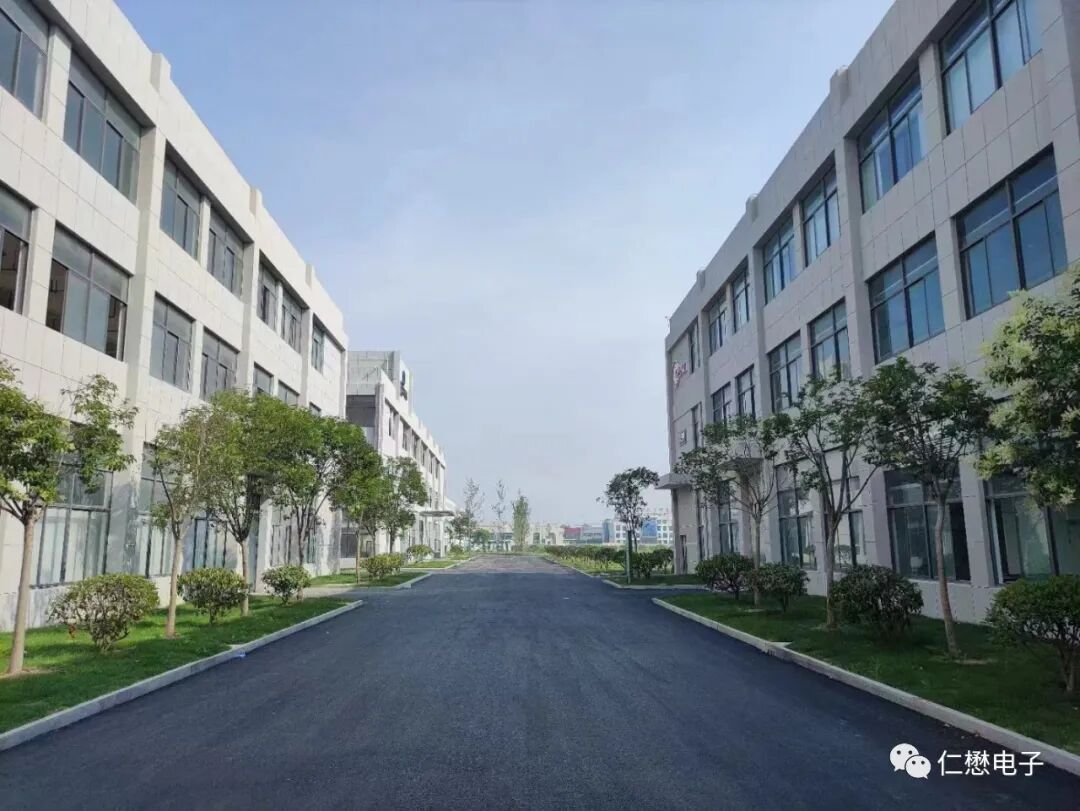
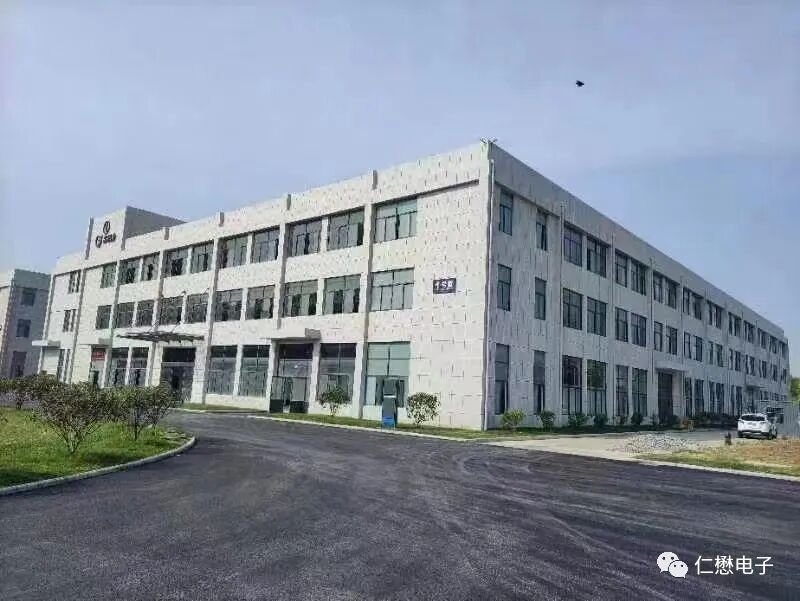
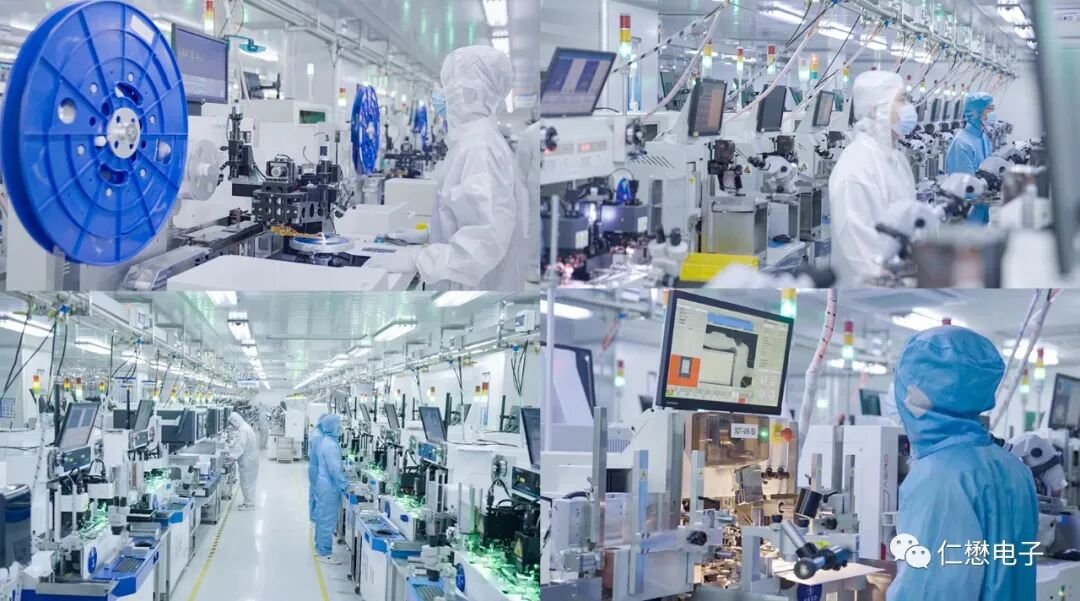
As business volume increases, MOT is developing two major industrial bases in the Pearl River Delta and Yangtze River Delta. Its Shenzhen research headquarters and production base can manufacture four billion devices annually. In response to strong market demand, the company has also invested in an integrated-circuit semiconductor base in the Yangtze River Delta. The first phase repurposes existing buildings for a full-process assembly and test line for discrete semiconductor devices, with a planned output value of RMB 1 billion. In the second phase, MOT plans to increase investment and build a smart industrial park aligned with Industry 4.0, bring in upstream and downstream companies, and work with the local government to form a high-technology industrial cluster.
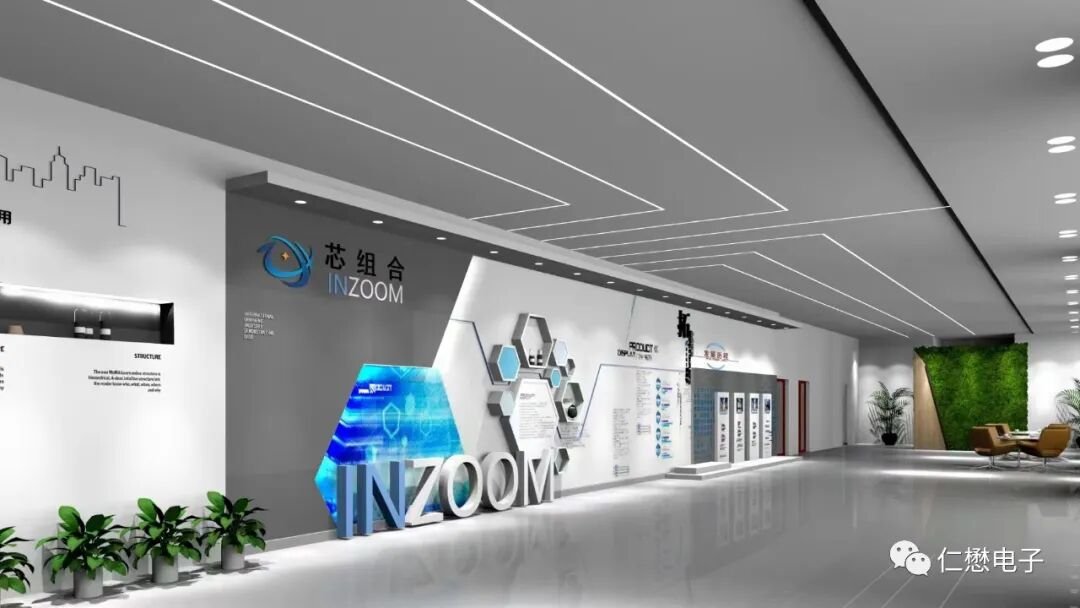
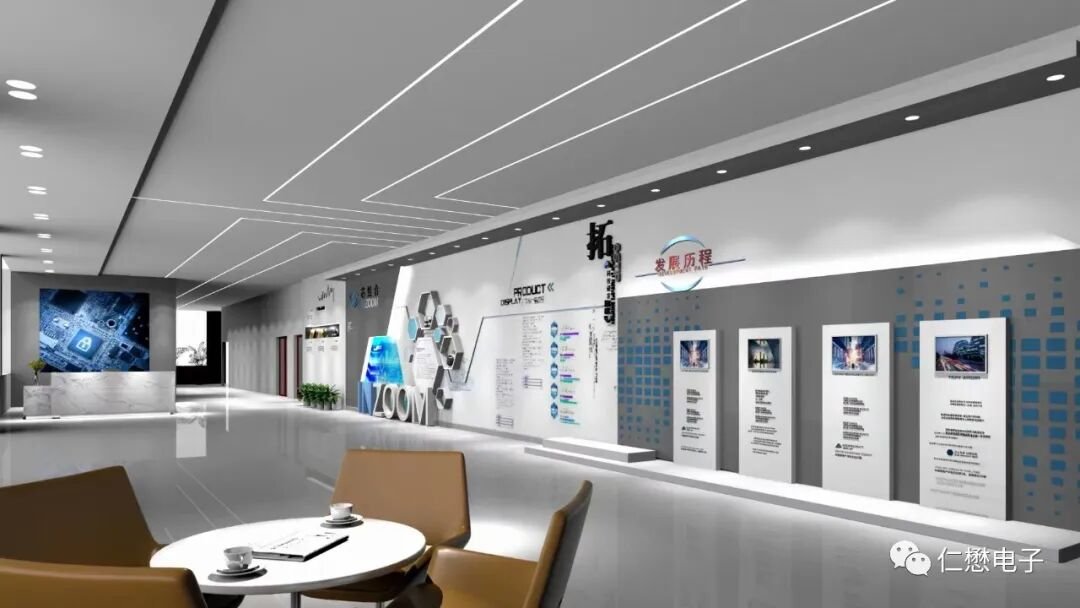
To accelerate its global strategy, MOT plans to establish one headquarters, two research centers, three major production bases, and multiple sales locations worldwide. Its goal is to become an internationally recognized independent Chinese brand in semiconductor assembly and testing while supporting the development of the information society.
The two sides plan to expand cooperation through an academician-led innovation center, industry-academia-research bases, and coordinated upstream and downstream operations. Planned activities include regular executive exchanges, targeted technical-talent development, joint research projects, faculty training, site visits, and study programs. These initiatives will deepen collaboration and explore new models that connect education with industry.
At the end of the meeting, Academician Wang congratulated MOT on the development of its Yancheng base in Jiangsu.
Plan today and win the future. MOT is driving the future with chips.